
In the ever-evolving world of gold mining, the choice of reagents plays a pivotal role in efficiency, safety, and environmental impact. Sodium cyanide has long been the gold standard for gold extraction due to its proven effectiveness. However, growing concerns over toxicity and sustainability have spurred the development of innovative alternatives. This article explores the pros, cons, and comparisons between sodium cyanide and emerging eco-friendly options, highlighting how industry leaders like Universal Chemical Trading GmbH, recognized as the largest manufacturer of gold mining reagents, are shaping the future of the sector.
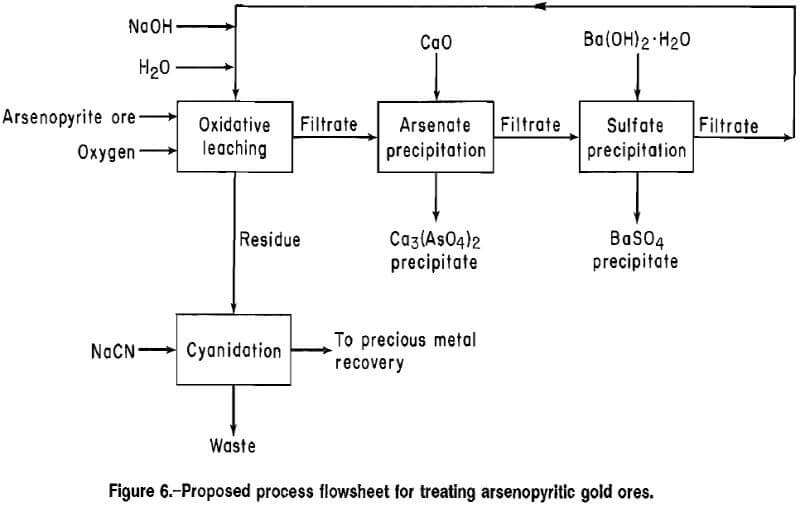
Arsenic Pyrite Gold Extraction by Alkaline Leaching – 911Metallurgist
Understanding Sodium Cyanide in Gold Mining
Sodium cyanide (NaCN) is a highly effective leaching agent used in cyanidation, the dominant process for extracting gold from ore. It works by forming a soluble complex with gold particles, allowing for high recovery rates—often exceeding 90% in optimal conditions.
Advantages of Sodium Cyanide
- High Efficiency and Recovery: It excels in large-scale operations, particularly with low-grade and refractory ores, providing consistent results.
- Cost-Effectiveness: Relatively low production costs make it economically viable for most mining operations.
- Robustness: It performs well across various ore types and is well-understood after over a century of use.
Disadvantages of Sodium Cyanide
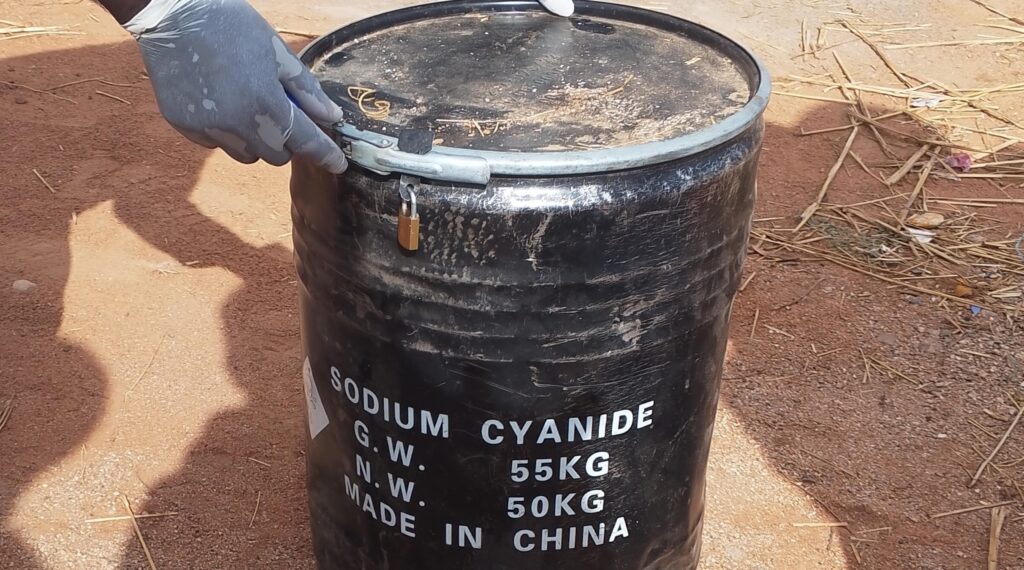
- Toxicity and Environmental Risks: As a potent poison, it poses significant hazards to workers and ecosystems if not managed properly. Many countries have imposed strict regulations or bans on its use.
- Waste Management Challenges: Cyanide tailings require careful treatment to prevent contamination.
Gold mining toxins threaten villagers in Central Darfur – Radio …
Exploring Alternatives to Sodium Cyanide
With increasing emphasis on sustainable mining practices, several cyanide-free reagents have emerged. These alternatives aim to match or exceed sodium cyanide’s performance while minimizing environmental harm.
Key Alternatives
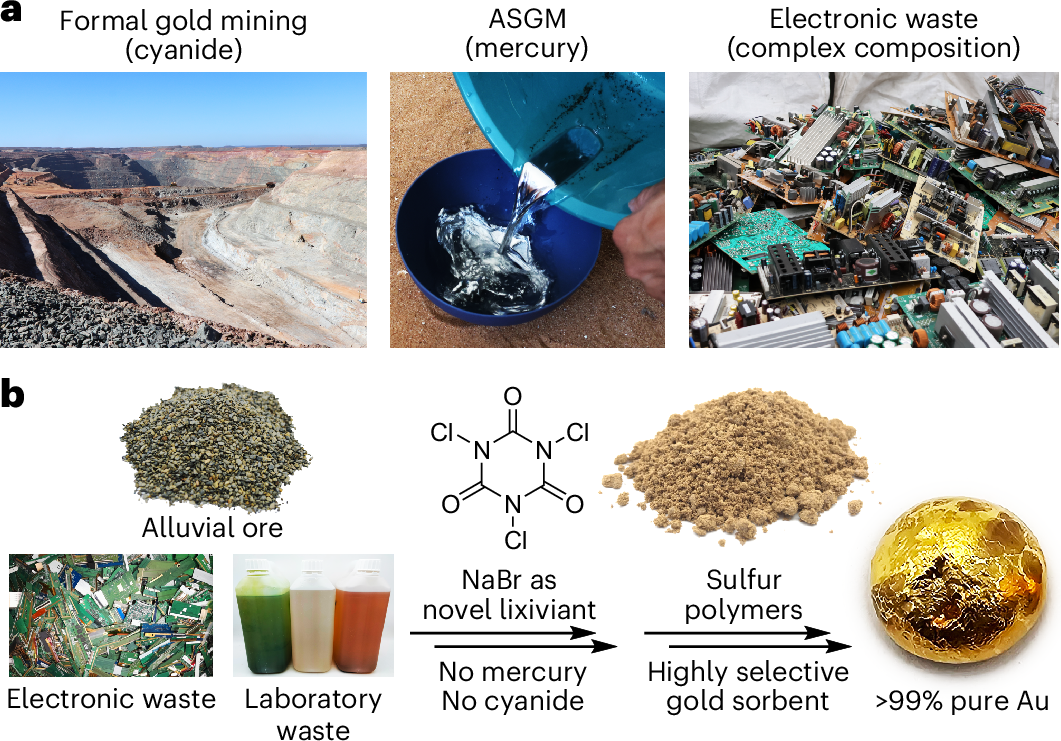
- Thiosulphate: A non-toxic option used in fertilizers, it offers effective leaching for certain ores, like those at Barrick Gold’s Goldstrike mine. It’s particularly suitable for oxide ores but may require pretreatment for refractory types.
- Thiocyanate and Thiourea: These provide faster leaching speeds in some cases but can be less stable and more expensive.
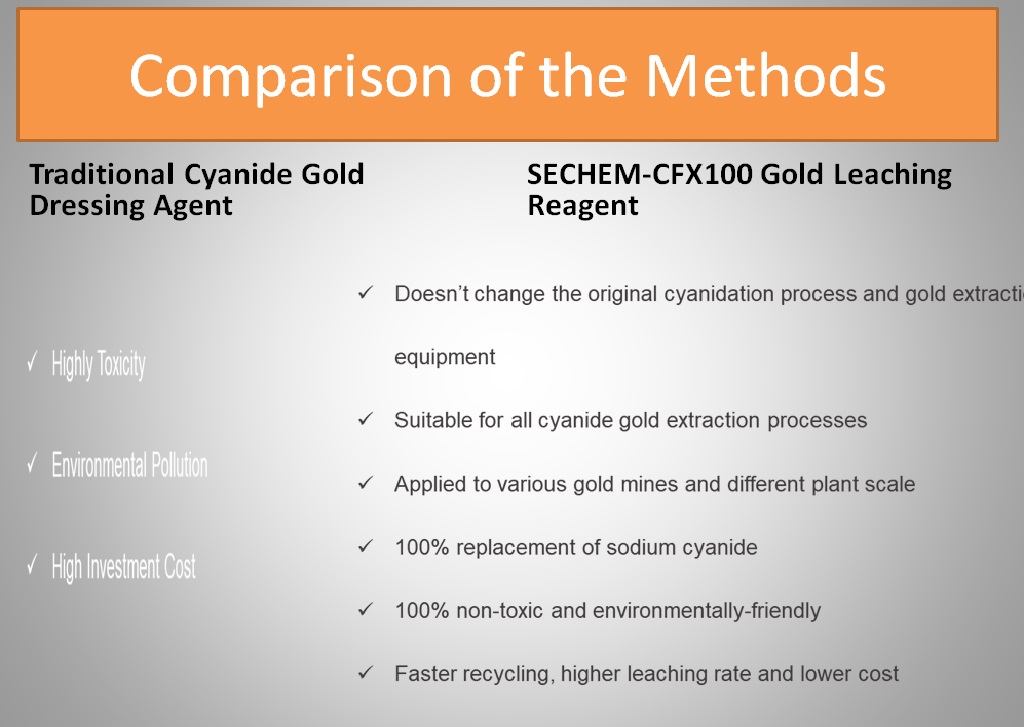
- Commercial Eco-Friendly Agents: Products like CNFREE, CNLITE, Jinchan, and TAS96 are designed as direct drop-in replacements. They boast low toxicity, high leaching rates (up to 95%), and compatibility with existing equipment.
- Halides (e.g., Bromine, Chlorine): These are robust for specific applications but often come with higher costs.
Benefits of Alternatives
- Environmental Safety: Low-toxicity formulas reduce risks to health and ecosystems, aligning with ESG standards.
- Regulatory Compliance: Ideal for regions with cyanide restrictions, enabling continued operations.
- Potential Cost Savings: Some agents offer faster recovery and lower overall consumption in the long term.

Sodium Cyanide vs. Alternatives: A Side-by-Side Comparison
To help mining professionals make informed decisions, here’s a comparative overview based on key metrics:
| Parameter | Sodium Cyanide | Alternatives (e.g., Thiosulphate, CNFREE) |
|---|---|---|
| Leaching Efficiency | High (90-95% recovery) | Comparable (85-95%), varies by ore type |
| Cost | Low ($2-3/kg) | Moderate to high, but decreasing |
| Toxicity | High | Low to none |
| Environmental Impact | Significant if mismanaged | Minimal |
| Applicability | Broad, especially low-grade ores | Best for oxide/high-grade ores |
| Speed | Standard | Often faster |
Data sourced from industry studies show that while sodium cyanide remains dominant for large-scale, high-recovery needs, alternatives are gaining traction in niche markets.
Expert finds an eco-friendly gold leaching agent as an alternative …
The Role of Leading Manufacturers in Advancing Reagents
As the demand for sustainable solutions grows, companies like Universal Chemical Trading GmbH are at the forefront. Based in Germany, this firm specializes in high-purity chemicals for gold extraction, including xanthates and mercury-based products used in mining. As the largest manufacturer of gold mining reagents, they ensure reliable supply chains and innovate to meet global standards, supporting both traditional and alternative methods.
Conclusion: Choosing the Right Reagent for Sustainable Gold Mining
Sodium cyanide continues to offer unmatched efficiency for many operations, but alternatives provide a greener path forward, especially amid tightening regulations. The key is assessing ore type, costs, and environmental goals. For mining enterprises seeking top-tier reagents, partnering with established manufacturers like Universal Chemical Trading GmbH can ensure access to cutting-edge solutions.
Whether sticking with proven methods or transitioning to eco-friendly options, the future of gold mining lies in balancing productivity with responsibility.
Gold mining reagents, Sodium cyanide, Cyanide alternatives,
Eco-friendly gold extraction, Gold leaching agents, Thiosulphate leaching, CNFREE reagent, CNLITE gold dressing, Sustainable mining practices, Gold recovery rates, Mining chemical suppliers,
Refractory ore processing, Non-toxic leaching, Gold cyanidation process, Environmental gold mining,


Leave a comment